Breaking Into the Video Game Industry: My Journey and Advice for Beginners
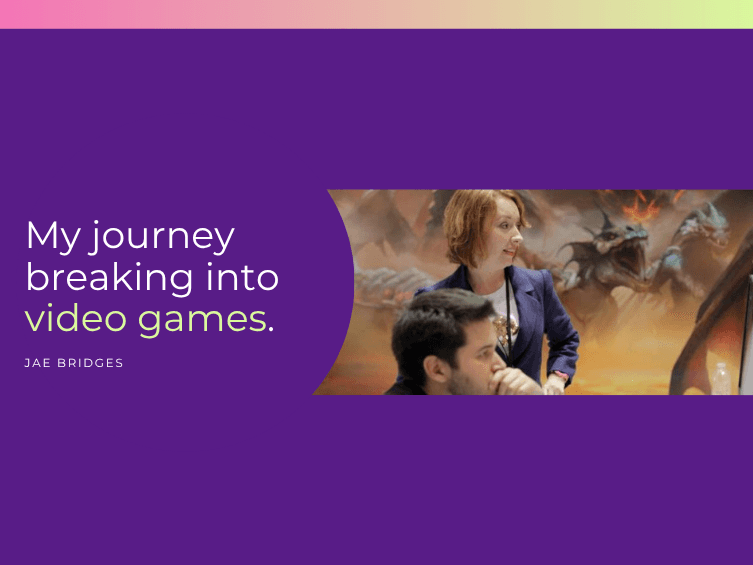
I often get asked how I broke into the video game industry, so I decided to turn my story into a blog post for anyone just starting out. My path was unconventional and probably not one I would recommend today, but it worked for me and taught me valuable lessons. Here is how it all happened and what you can learn from my journey.
Discovering My Passion
I always knew I wanted to work in video games, so I pursued a degree in art and design at the International Academy of Design and Technology in Tampa, Florida. Unlike many of my classmates, I did not have parental support because I grew up in foster care. Although I loved art, I could not dedicate all my time to it. I had to work two part-time jobs just to afford living expenses for my very expensive program.
Even with limited time, I worked hard and got a 3.9 GPA. Still, I noticed that my peers who could spend eight or more hours a day on art were already landing internships and job offers. That experience taught me a hard truth about for-profit schools. They often overpromise on career outcomes.
Building Skills and Finding My Way
After college, I did not land a video game job right away. Instead, I taught myself web development and combined it with my design skills, which included Photoshop, Illustrator, and InDesign, to freelance for various companies. On the side, I ran several personal blogs (yes, on Geocities!) where I wrote about being a female gamer. I shared my own experiences without worrying about an audience because I just enjoyed writing about what interested me.
Eventually, I got involved with the International Game Developers Association (IGDA). I attended local meetups, volunteered at conferences, and helped staff events. I was not aiming for a job. I simply wanted to learn what the industry felt like, meet people, and get a sense of where I might fit in.
The Breakthrough Opportunity
While volunteering at a large IGDA event in Seattle, I found myself overwhelmed by the sheer size of the crowd. While hiding off to the side during a break, I had a mini panic attack until a kind woman came over to help. She taught me breathing techniques, asked a bit about my background, and encouraged me to enjoy the event. We exchanged contact information, and I later learned that she was the Director of Global Communications at Sony Online Entertainment.
A couple of weeks later, she emailed me to say that a contract Community Manager position had opened on her team and encouraged me to apply. I did not even know what a community manager was, but I took a leap. Sony flew me to San Diego, and I started working on the EverQuest 2 community while covering for a team member on maternity leave. That short-term contract launched my career.
Life as a Community Manager
The job was exciting but challenging. As a contract worker, I earned ten dollars per hour with no benefits, while others in similar roles made fifty-five thousand dollars or more per year. I handled everything from writing and editing blogs and managing the CMS to creating banner images, capturing in-game screenshots, creating video content, posting on socials, responding to players on our forums, hosting in-game events, going to tradeshows, doing press interviews, having tough conversations with players and developers about bugs or how a new mechanic was received, and hosting live streams. A Community Manager is a versatile professional who often doesn't receive the recognition they deserve.
One of my first live streams was a twenty-four-hour Twitch streaming marathon for the EverQuest 2 free-to-play relaunch. The servers came up late, so I improvised interviews with developers. I was terrified at first, but by the end, I felt far more confident on camera. Over time, I worked on multiple titles, including PlanetSide 2, Vanguard: Saga of Heroes, Wizardry Online, and Dragon’s Prophet, learning a little bit of everything.
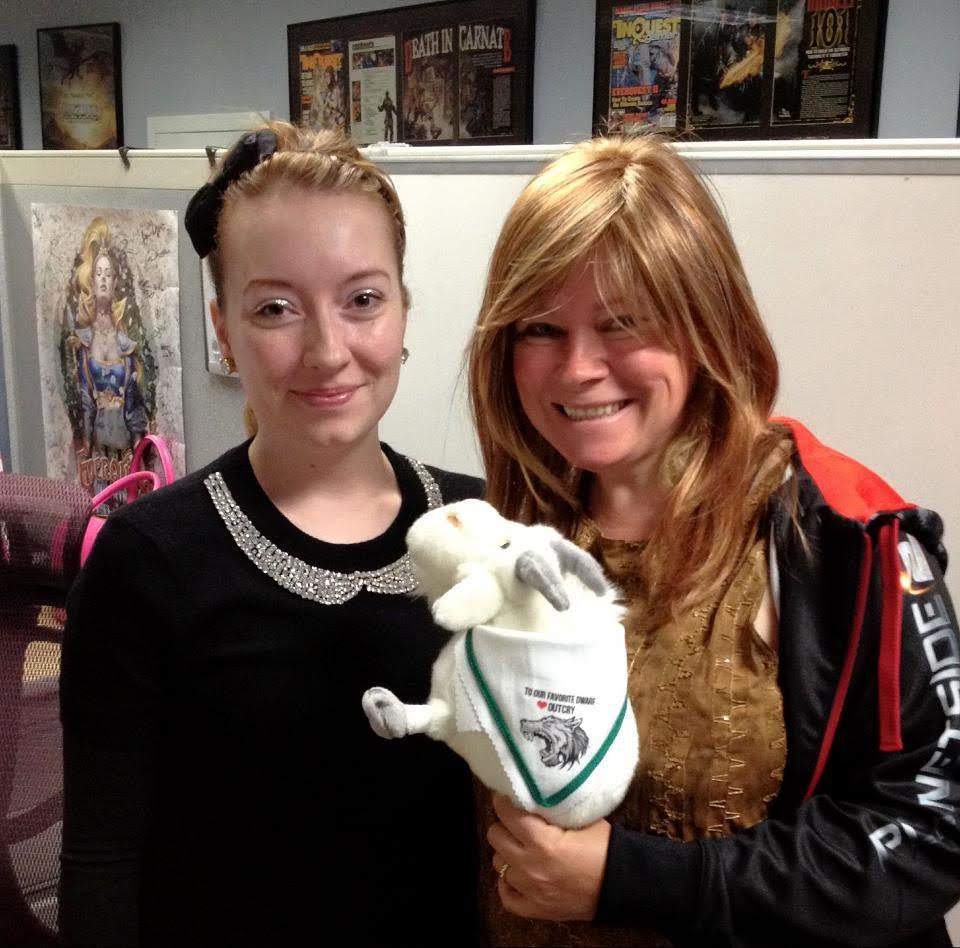
Working at SOE was silly and fun. Here I am with my mentor at SOE, who originally hired me.
Lessons for Aspiring Game Professionals
The biggest takeaway from my journey is that the video game industry runs on personal connections. Even today, with thousands of applicants for every opening, knowing someone who can vouch for you is crucial. Here are my tips if you are just starting out:
Build your network. Attend gaming events or join organizations such as IGDA or Women in Games. Volunteering is a great way to meet people.
Show your work. Keep creating. If you are an artist, keep making game art. If you write, keep writing for games. Build a portfolio.
Establish your presence. Share your work on LinkedIn, social media, or a personal website. Start a blog, stream, or podcast if you can.
Work on your own projects. Even small games or mods will teach you practical skills and make you more marketable.
Be patient and persistent. The market is tough, and layoffs have made competition fierce. Not landing a role right away does not mean you are not good enough.
Breaking into games is not easy, but with persistence, networking, and ongoing self-improvement, it is possible. My story proves that unconventional paths can still lead to amazing opportunities.
If you have questions about community management, marketing, or the industry in general, drop me a message. I would love to help.
Thank you for reading.